Senior Dog Can’t Get Into the Car: Causes and Simple Ways to Help
If your senior dog suddenly refuses to jump into the car, you’re not alone.
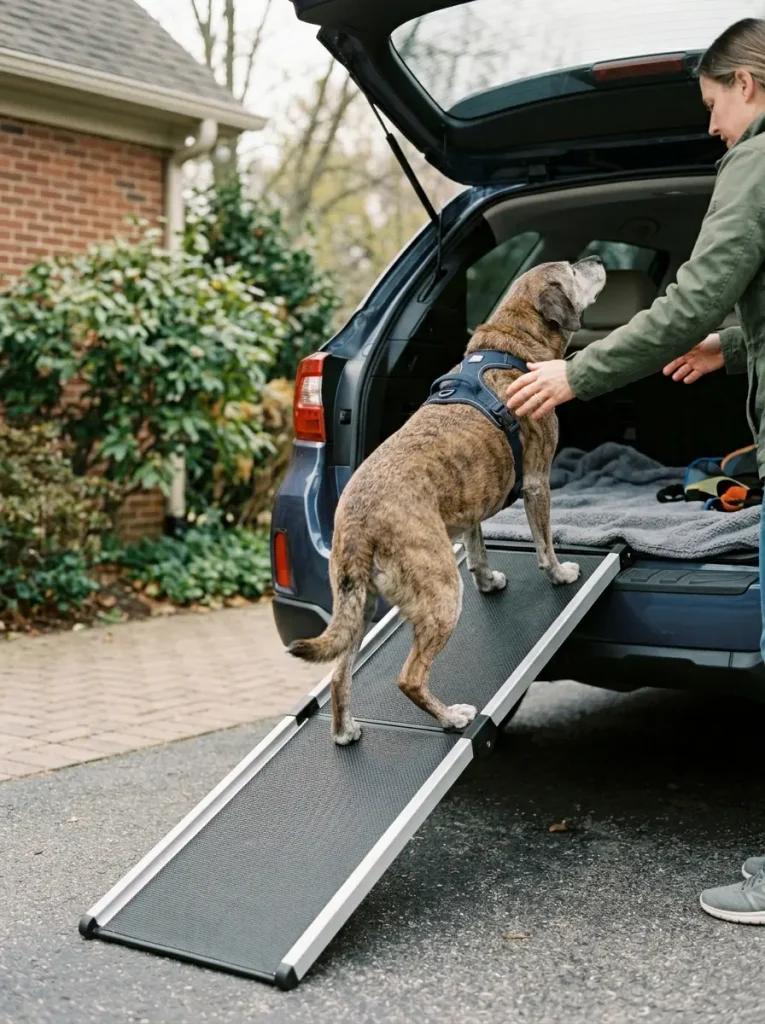
Many owners assume their dog is being stubborn or lazy.
In most cases, neither is true.
As dogs age, jumping into a vehicle becomes physically harder because it requires:
- Strength
- Balance
- Joint flexibility
- Confidence
The good news is that this problem is often manageable once you understand what’s causing it.
Why Senior Dogs Stop Getting Into the Car
Jumping into a vehicle is one of the most demanding everyday movements a dog performs.
To do it successfully, a dog must:
- Push with the hind legs
- Lift body weight upward
- Land safely on the front legs
- Stabilize immediately after landing
Even mild age-related changes can make this difficult.
Common Mobility Problems in Older Dogs
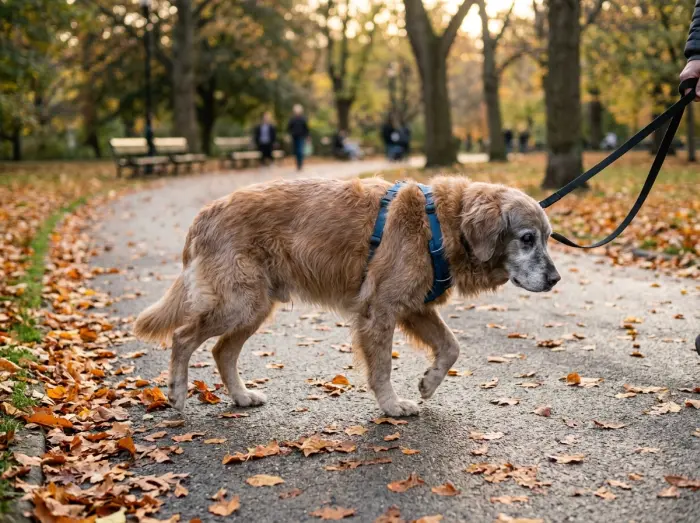
Joint Stiffness and Arthritis
Arthritis is one of the most common reasons senior dogs avoid jumping.
Over time, joint cartilage wears down, causing stiffness and discomfort.
You may notice:
• Reluctance to jump
• Slower movement
• Difficulty after resting
• Hesitation before entering the vehicle
Internal Link:
→ Read: Signs of Arthritis in Senior Dogs
Balance and Coordination Issues
Aging joints naturally lose flexibility.
Dogs experiencing discomfort may hesitate before jumping or refuse altogether.
Weak Hind Legs
Most jumping power comes from the rear legs.
As dogs age, natural muscle loss can reduce their ability to generate enough force to clear the height of a vehicle.
Common signs include:
• Wobbling
• Difficulty climbing stairs
• Reduced endurance
• Trouble standing up
Internal Link:
→ Read: Weak Hind Legs in Senior Dogs
Fear of Slipping
Many dogs lose confidence after slipping while trying to jump into a vehicle.
Even one bad experience can create hesitation.
This is especially common in dogs already experiencing mobility decline.
Reduced Confidence
Sometimes there is no major injury or disease.
Your dog simply recognizes that jumping has become harder and chooses to avoid it.
This behavioral adaptation is common in aging dogs.
Signs Your Senior Dog Is Struggling
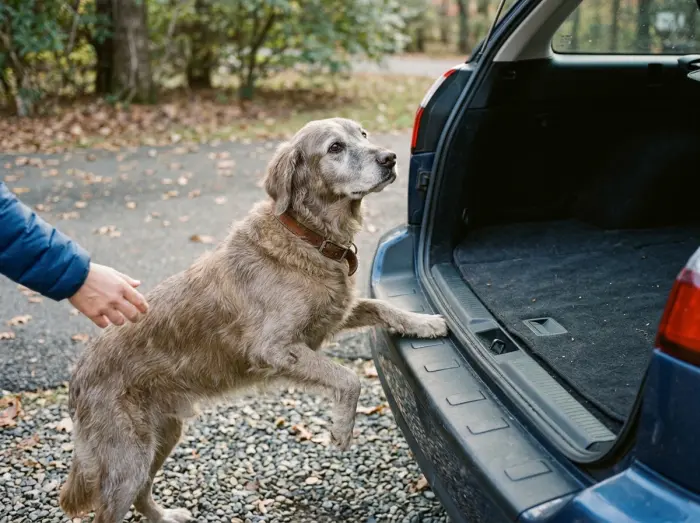
Watch for these warning signs:
- Pause before attempting the jump
- Need several attempts
- Ask for assistance
- Refuse completely
- Look at you for help
- Circle around the vehicle before trying
If several of these signs are present, mobility support may be needed.
What You Can Do Right Now
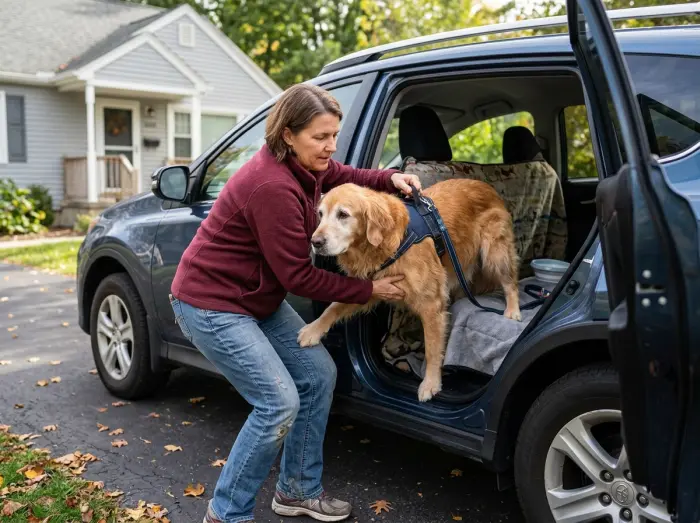
Reduce the Height Requirement
The higher the jump, the harder it becomes.
Whenever possible:
- Park next to curbs
- Use lower vehicles
- Allow your dog to enter from the easiest side
Small reductions in height can make a significant difference.
Improve Overall Mobility
Focus on daily habits that support movement:
• Healthy body weight
• Gentle daily exercise
• Good traction at home
• Comfortable sleeping surfaces
Internal Link:
→ Read: Senior Dog Struggles to Stand Up
Support Daily Mobility
Maintaining mobility at home often improves mobility everywhere else.
Focus on:
- Gentle daily movement
- Healthy body weight
- Good floor traction
- Comfortable sleeping areas
Avoid Forcing the Jump
Never force a senior dog into a movement they cannot comfortably perform.
Repeated failed attempts may increase stress and reduce confidence further.
When to Consider Mobility Aids
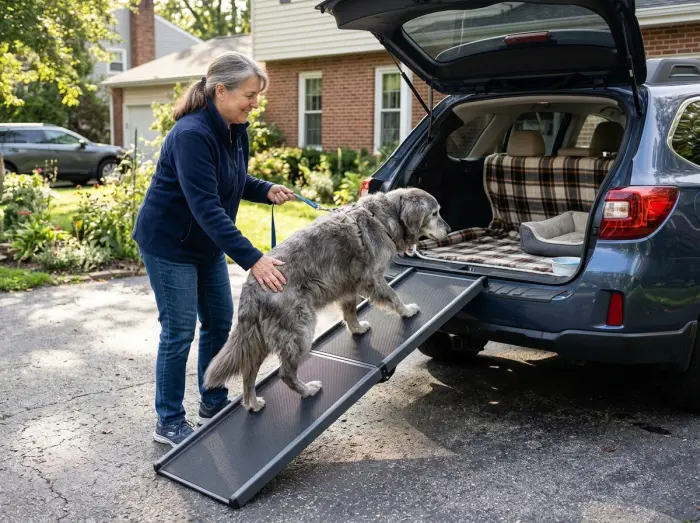
Some dogs benefit from additional support.
Depending on the situation, owners may consider:
- Vehicle ramps
- Vehicle steps
- Support harnesses
These tools reduce strain and help dogs remain independent longer.
Mobility Solutions That Can Help
Not every dog needs specialized equipment.
However, when mobility decline progresses, support tools can significantly reduce physical strain.
Dog Ramps
Best for:
• Large dogs
• Dogs with arthritis
• Dogs with weak hind legs
Benefits:
• Eliminates jumping
• Reduces joint impact
• Increases independence
Help Your Dog Get Into the Car More Comfortably
A well-designed dog ramp can reduce strain on aging joints and make vehicle access much easier.


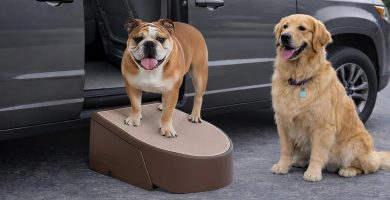
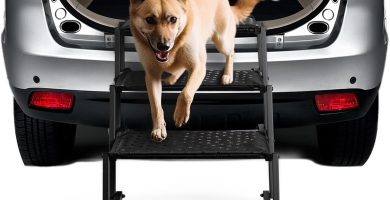
Dog Steps
Best for:
• Medium-height vehicles
• Smaller breeds
• Mild mobility decline
Benefits:
• Lower effort than jumping
• Easy to use
• Portable
Looking for a Smaller Alternative?
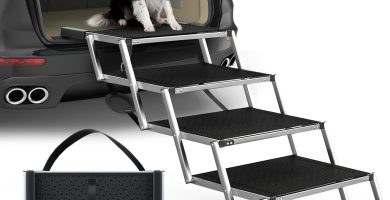
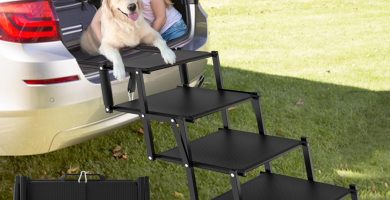
Dog steps can help dogs that need a gradual climb instead of a full jump.
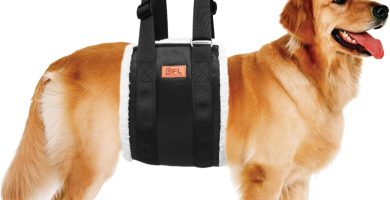
Support Harnesses
Best for:
• Dogs needing additional stability
• Dogs recovering from mobility loss
• Owners who need lifting assistance
Benefits:
• Provides support
• Improves confidence
• Helps prevent falls
Need Extra Support?
Mobility harnesses can help reduce the physical effort required to enter a vehicle safely.
→ View Recommended Mobility Harnesses


When You Should Contact Your Veterinarian
Some situations require professional evaluation.
Contact your veterinarian if your dog:
• Suddenly refuses to jump
• Shows signs of pain
• Begins limping
• Loses balance frequently
• Experiences rapid weakness
• Has difficulty walking
A sudden change in mobility should never be ignored.
Related Mobility Issues in Senior Dogs
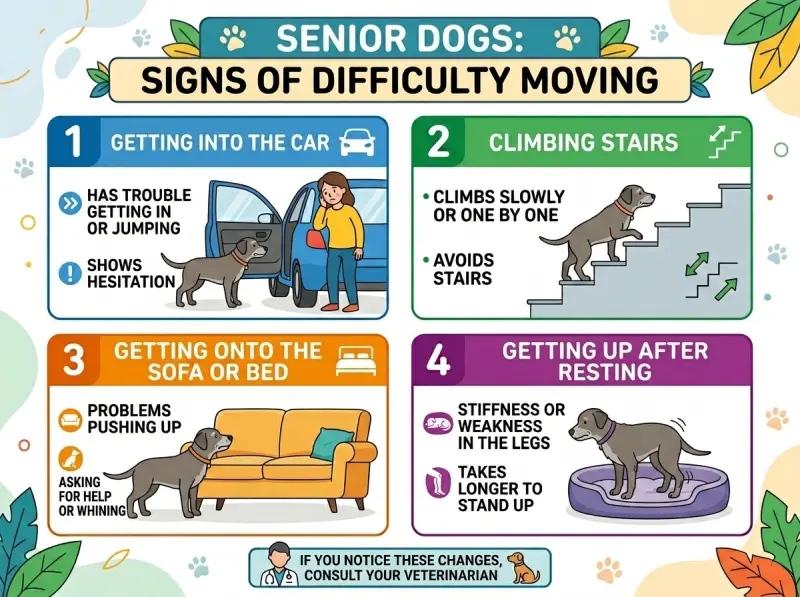
Difficulty getting into the car is often connected to other mobility challenges.
You may also notice:
- Trouble using stairs
- Slipping on smooth floors
- Difficulty standing up
- Weak hind legs
These issues often share the same underlying causes.
Key Takeaway
A senior dog that can no longer get into the car is often experiencing normal age-related mobility decline rather than stubborn behavior.
By identifying the cause early, making small environmental changes, and using appropriate mobility support when needed, many dogs can continue enjoying comfortable and safe car rides for years.

Senior Dog Can’t Get Into the Car Frequently Asked Questions
Can arthritis prevent a dog from getting into a car?
Yes. Arthritis can cause stiffness, discomfort, and reduced flexibility, making jumping into a vehicle difficult.
Why does my old dog hesitate before jumping?
Hesitation often indicates discomfort, weakness, reduced confidence, or fear of slipping.
Should I lift my senior dog into the car?
Occasionally helping is fine, but repeated lifting may become difficult for both dog and owner. Mobility aids often provide a safer long-term solution.
What age do dogs usually stop jumping into cars?
There is no specific age. Larger breeds often experience mobility decline earlier than smaller breeds.
Are ramps better than dog steps?
For dogs with arthritis or significant mobility problems, ramps generally place less stress on joints than steps.