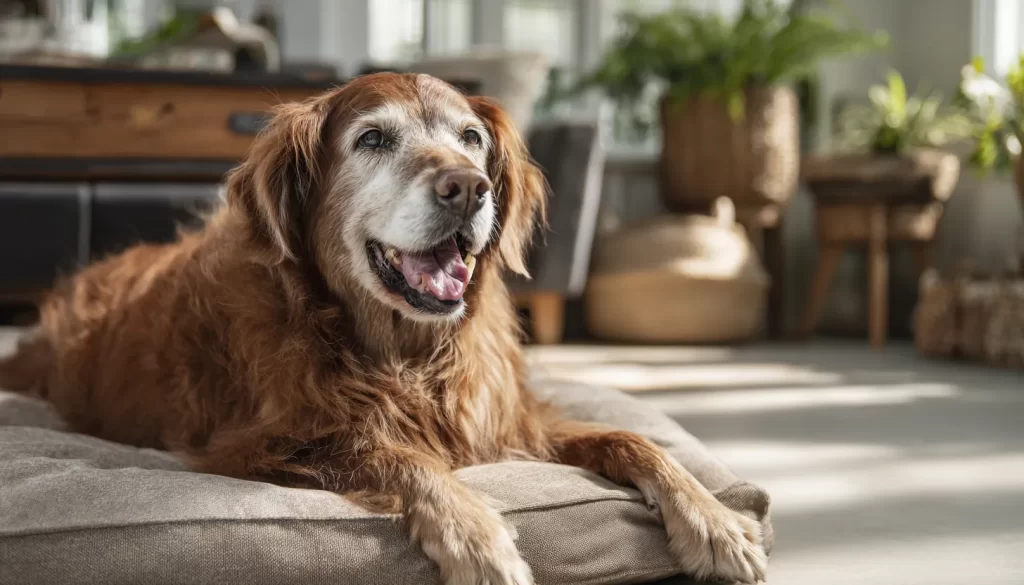
Senior Dog Care: Helping Aging Dogs Move Better and Live Comfortably
Explore Senior Dog Mobility Solutions
Caring for a senior dog comes with unique challenges, but it can also be one of the most rewarding stages of your dog’s life.
As dogs age, their needs begin to change. Mobility may become more difficult, joints may become stiff, and everyday activities like climbing onto furniture or going for long walks can require extra support.
The good news is that with the right knowledge and tools, pet owners can greatly improve a senior dog’s comfort, mobility, and overall quality of life.
At Dogs Kingdom Pets, we focus on practical solutions that help older dogs live healthier and happier lives. Our guides cover everything from mobility aids and joint support to sleep comfort, monitoring technology, and quality-of-life improvements.

Senior Dog Mobility Solutions
Mobility is one of the most common challenges aging dogs face. Joint stiffness, arthritis, and muscle loss can make simple activities such as jumping onto the couch or climbing stairs more difficult.
Supporting mobility early can prevent injuries and help dogs remain active for longer.
Helpful mobility solutions include:
- dog ramps for beds, couches, and vehicles
- supportive dog stairs
- non-slip flooring solutions
- joint support strategies
Explore our mobility guides

Joint Health and Arthritis Support
Joint health plays a major role in a senior dog’s overall comfort and mobility. As cartilage naturally wears down with age, dogs may develop stiffness, reduced flexibility, or arthritis.
Supporting joint health can help reduce pain and maintain mobility.
Common approaches include:
- joint supplements for dogs
- healthy weight management
- gentle exercise routines
- supportive sleeping surfaces
Learn more about senior dog joint health

Better Sleep and Comfort for Senior Dogs
Older dogs often spend more time resting, which makes sleep quality extremely important.
Providing a comfortable sleeping environment can reduce pressure on joints and improve overall recovery.
Helpful comfort solutions include:
- orthopedic dog beds
- supportive bedding
- elevated feeding bowls
- temperature-controlled resting areas
Explore comfort solutions for senior dogs

Monitoring Your Dog’s Health
Technology is making it easier for pet owners to monitor their dog’s health and activity levels.
Health monitoring devices can provide insights into movement patterns, sleep quality, and potential health changes.
Examples include:
- dog activity monitors
- pet health trackers
- seizure monitoring devices
- smart collars
Discover dog health monitoring tools
Improving Your Senior Dog’s Quality of Life
As dogs age, comfort, routine, and emotional well-being become even more important.
Improving quality of life can involve small changes that help dogs feel safe, comfortable, and supported every day.
With these precautions we can:
- reducing household hazards
- supporting mobility indoors
- maintaining gentle exercise
- providing mental stimulation
Help Your Dog Age Gracefully
Latest Senior Dog Care Guides
Caring for a senior dog means paying closer attention to their changing needs. As dogs grow older, their comfort, mobility, and emotional well-being become more important for maintaining a happy and healthy life.
These guides often cover topics such as:
- improving comfort at home
- supporting mobility and joint health
- maintaining safe daily routines
- providing appropriate exercise for older dogs
- keeping the mind active with gentle mental stimulation
Better Days for Senior Dogs
Choose Based on What Matters Most
| Your Senior Dog Is… | Explore |
|---|---|
| Struggling with mobility | Learn exercises, ramps, and support for easier movement |
| Showing joint pain or stiffness | Discover supplements, therapies, and tips for healthier joints |
| Sleeping poorly or uncomfortable | Find beds, blankets, and comfort tips |
| Hard to monitor health | Tools and guides to track wellness and aging signs |
| Losing interest in daily life | Tips to improve overall quality of life |
| You need caregiver guidance | Step-by-step guides for senior dog care |
| Looking for extra resources | Checklists, tools, and references for senior dog owners |
Why Trust Dogs Kingdom Pets
Our goal is to provide practical, research-based guides that help dog owners make better decisions for their aging pets.
Our content focuses on:
- Senior dog health and wellness
- Mobility support solutions
- Product guides for aging dogs
- Expert-based care strategies
We aim to make senior dog care easier, safer, and more comfortable for both pets and their owners.
Explore our complete guides to senior dog health, mobility, and comfort.
Senior Dog Care FAQs
What is considered a senior dog?
Most dogs are considered senior between the ages of 7 and 10, depending on their breed and size. Larger breeds tend to age faster, while smaller dogs may reach their senior stage later. As dogs age, they often need adjustments in mobility support, joint care, sleep comfort, and health monitoring.
How can I help my senior dog with mobility problems?
Senior dogs often develop mobility issues due to aging joints, arthritis, or muscle weakness. Helpful solutions include dog ramps, orthopedic beds, joint supplements, and maintaining a healthy weight. Regular low-impact exercise and veterinary care can also improve mobility and overall comfort.
What are the most common health issues in senior dogs?
Older dogs frequently experience conditions such as arthritis, reduced mobility, joint pain, cognitive decline, and sleep changes. Early monitoring and preventive care can significantly improve a dog’s quality of life as they age.
How can I improve the quality of life for an aging dog?
Improving a senior dog’s quality of life involves providing comfortable sleeping areas, mobility support, proper nutrition, and regular health monitoring. Environmental adjustments like ramps, non-slip floors, and accessible resting areas can also make daily life easier for older dogs.
Do senior dogs need special beds or sleeping areas?
Yes. Many older dogs benefit from orthopedic or memory foam beds that support joints and relieve pressure points. Comfortable sleeping environments can reduce stiffness and improve rest, which is essential for aging dogs.
How do I know if my dog needs joint support?
Signs that a dog may need joint support include difficulty standing, reluctance to climb stairs, slower movement, stiffness after resting, or reduced activity levels. Joint supplements, mobility aids, and proper exercise routines can help manage these symptoms.
What are the best ways to monitor a senior dog’s health?
Monitoring a senior dog’s health includes regular veterinary checkups, observing behavioral changes, tracking mobility, and using health-monitoring tools when needed. Early detection of issues helps provide timely care and improves long-term wellbeing.